Buying a Larger Home in Las Vegas
Ready for More Space? Buying Your Next Home in Las Vegas
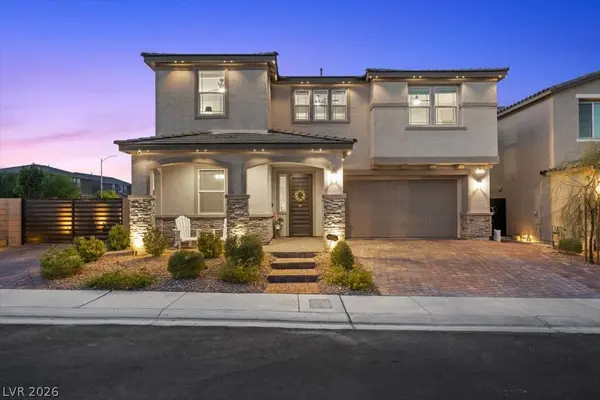
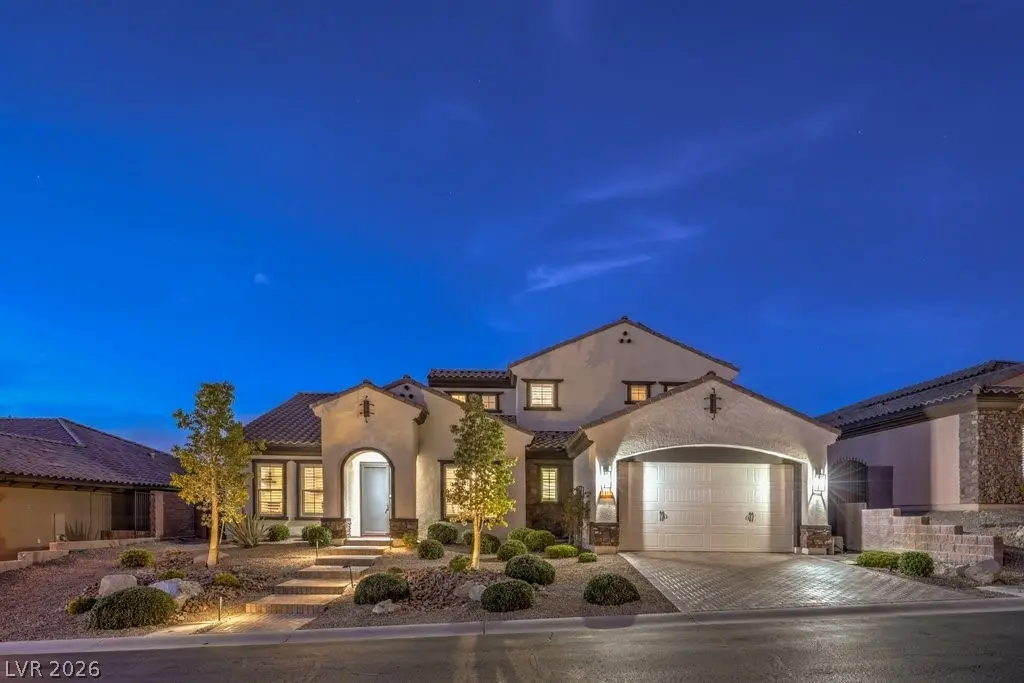
Buying a larger home in Las Vegas gives you the opportunity to choose space around how your family lives now. That might mean separate bedrooms for the kids, an office with a door, or a kitchen where everyone can gather without crowding the person cooking.
The purchase also needs to work alongside your current home, your finances, and the routines you’ve already built. Before narrowing your search by square footage, get specific about what you want the move to accomplish.
Identify where your current home falls short
Think about the moments when your home feels crowded or inconvenient.
Is someone taking work calls from the dining table? Do toys and school supplies end up in the main living area because there’s nowhere else for them? Does having guests mean rearranging bedrooms?
Those observations can become useful search criteria. “We need more space” might become “We need an enclosed office and a separate place for the kids to spend time.” That gives you something concrete to evaluate during a showing.
It also helps distinguish between features you need and rooms that simply look appealing online. An extra bedroom may solve a daily problem. A formal dining room may add square footage without changing much about how you live.
Look closely at how the floor plan works
Two homes with the same square footage can feel very different once you walk through them.
Consider where bedrooms sit in relation to one another. Younger children may need to be close by, while older kids may appreciate more separation. An upstairs loft can provide another gathering space, but it may not work as an office if sound carries through the house.
During a showing, think through an ordinary weekday. Where would backpacks go? Could someone work while the kids are home? Is there enough storage near the rooms where you need it?
Look at the yard the same way. Consider the usable space, shade, and maintenance involved. If a pool is part of the search, include its condition, safety arrangements, and upkeep in the questions you investigate.
You’re choosing a home you’ll use every day. Give the layout as much attention as the finishes.
Decide which parts of your location you want to keep
A move can give you more room while changing the distances you travel throughout the week.
Before expanding your search, identify the places you want to remain close to. Work, school, childcare, and regular activities can limit how far you’re comfortable moving—even when a house farther away looks promising.
Henderson, Summerlin, Southwest Las Vegas, Enterprise, and Centennial Hills all belong in the conversation when they fit your priorities. The comparison should come down to individual neighborhoods and properties, with routes checked at the times you would use them.
If keeping a particular school is important, confirm the requirements and address assignment directly with the school district before relying on a listing description.
I can help you focus the search around the locations you’re considering and the features you need, so you’re comparing homes that could work for your family.
Establish a purchase budget before committing to a price range
Success in your career may have changed what you can afford since you bought your current home. Your household expenses and priorities may have changed, too.
Discuss the next purchase with a lender early. Ask for figures based on the homes and price ranges you’re considering, including the estimated payment and funds needed to close. The Consumer Financial Protection Bureau’s guide to exploring loan choices offers a useful starting point for those conversations.
Then consider the property expenses beyond financing. Ask about insurance, applicable association dues, and any special assessments. A larger home or yard may also involve different utility and maintenance expenses.
If your search includes homes priced at $800,000 or above, identify what you expect that purchase to provide. You may prioritize a particular location, a more functional layout, or a property that needs little immediate work. Those priorities will help you decide where to compromise when comparing homes.
Understand what your current home could contribute
If you plan to use proceeds from your current home toward the purchase, review that side of the move before making commitments.
An online value estimate won’t establish what you will have available. You’ll need a realistic view of the likely sale price, the amount owed on the property, and the expenses associated with selling.
I can review relevant recent sales and competing listings with you, then help coordinate the information needed for an estimated seller closing statement. Your lender can use that information when discussing the next purchase.
From there, we can consider the sequence. Selling first, purchasing first, or coordinating the two closings each requires a different plan. Available funds and financing affect those options, along with how much flexibility you have around moving dates.
The goal is to understand the workable paths before you find a home you want to pursue.
Account for the work a property may need
A house can have the space you need and still require work before it functions the way you want.
Pay attention to changes you would need to make immediately. Converting an open room into an office, replacing flooring, or changing outdoor features involves an expense and a schedule. Some projects may also require approvals.
I can help you identify questions to investigate and connect you with appropriate professionals who can assess the work. Their findings and estimates give you more information to consider alongside the asking price and comparable sales.
That is especially useful when comparing a home that needs changes with one that already has the layout and condition you’re looking for.
Plan the move around your family’s calendar
School commitments and work schedules can make moving dates difficult to change. Write down the dates you need to protect before negotiating a purchase or sale.
Consider how you would handle showings at your current home, where you would stay if the closings didn’t align, and whether work at the new property would delay moving in. Include storage or temporary accommodation in the budget if either might be needed.
Sharing those details early allows me to account for them when discussing listing preparation, offers, and closing terms. It also gives us time to arrange resources before a deadline becomes pressing.
Start with a clear picture of the next home
You can begin exploring Las Vegas Valley homes for sale while working through the details of your move. As you browse, note which homes address the needs you identified and which would require compromises you’re willing to make.
If you’re ready to explore a larger home, let’s discuss what your family needs, where you want to live, and how your current property fits into the plan. I can help you evaluate the homes, make useful connections, and coordinate the real estate decisions along the way.
Get in touch with Shyla Magee to start planning your next purchase.
Categories
Recent Posts